

Hurricane has grown a lot over the past couple of decades. Subdivisions have filled in the hills off I-64, young families have settled near Valley Park, and the older homes along Main Street still anchor the heart of town. That mix means we see everything from decades-old gas furnaces to modern high-efficiency systems packed with electronics.
Forge Heating and AC Repair is a locally owned HVAC company that brings honest, skilled furnace repair to Hurricane and the rest of Putnam County. We take time to explain what we find, quote a fair price before we start, and back our work with a satisfaction guarantee. If your heat goes out after hours, our 24/7 emergency service has you covered.
Today’s furnaces are smarter than the ones they replaced, and many will actually tell you when something is off. Keep an eye out for these modern warning signs along with the classic ones.
That blinking light is a diagnostic code, and it gives our technicians a head start on finding the problem. Jot down the pattern if you can, then let us take it from there.
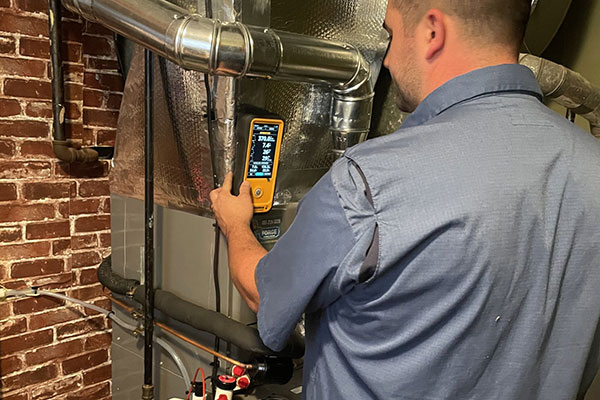
Many Hurricane homes built during the area’s growth spurt now have furnaces reaching 15 to 20 years old. That is the age when original parts like igniters, inducer motors, and blower components tend to wear out, often all within a few winters. Warranties have usually expired by then too, so homeowners start facing their first major repairs.
Two-story homes common in local subdivisions bring their own comfort challenges. Heat rises, ductwork to the upper floor is often long, and a single thermostat downstairs cannot always balance the whole house. Those uneven temperatures make the furnace run longer than it should and wear it down faster.
High-efficiency furnaces rely on pressure switches, condensate traps, and circuit boards that are more sensitive than older equipment. Summer storms and winter ice can bring power flickers that stress those electronics. In the older homes downtown, the issues lean toward worn burners, aging blower motors, and ductwork that has started to leak at the seams.
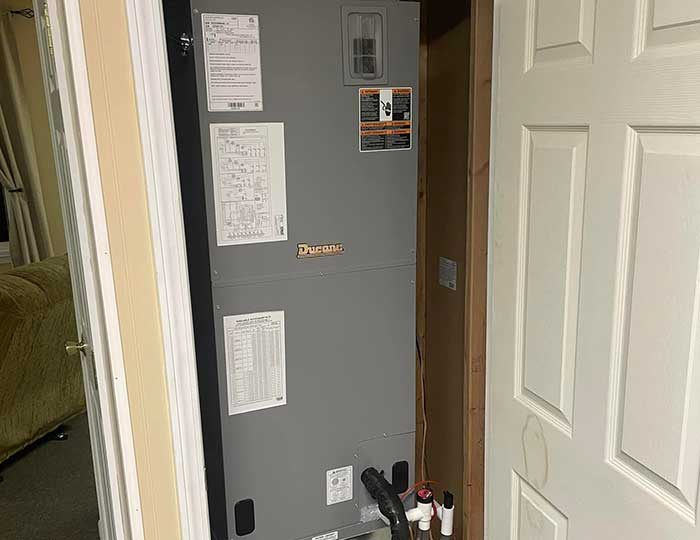
Modern furnaces are part machine and part computer, so a good repair takes more than a wrench. Our technicians read diagnostic codes, test sensors and switches with meters, and confirm gas pressure and airflow before naming the problem. That careful approach gets to the root cause instead of treating symptoms.
We know many Hurricane families are juggling work commutes and kids’ schedules, so we do our best to set a visit time that fits your day. When we arrive, we talk with you first about what you have noticed. After the diagnosis, you get a clear explanation and an upfront price, and the work only begins once you approve it.
After the fix, we run the system through complete cycles and check that heat is reaching both floors. If a bonus room or upstairs bedroom never keeps up, we can explain how a ductless unit could handle that space on its own. And if your furnace is nearing retirement, we will lay out repair and replacement options honestly so you can choose what is right for your home.
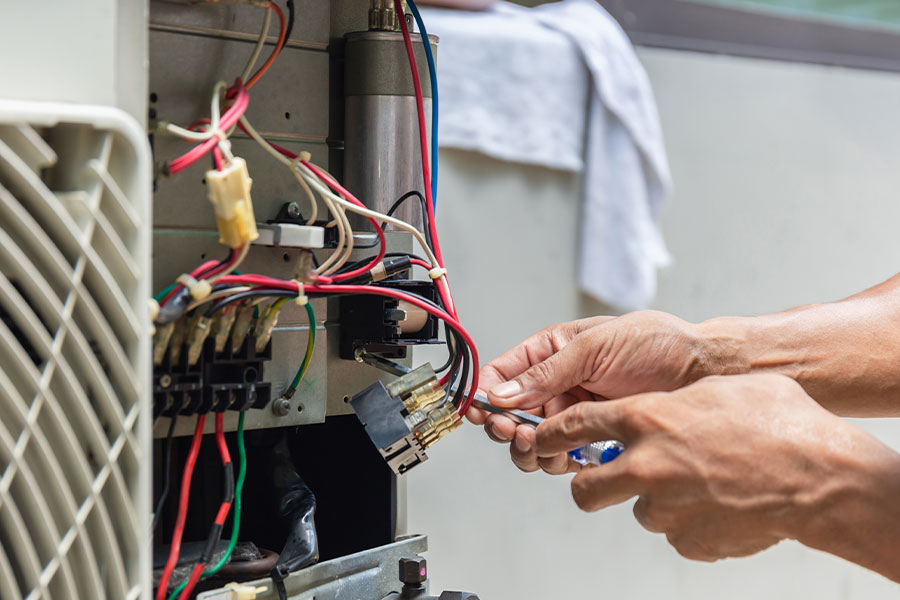
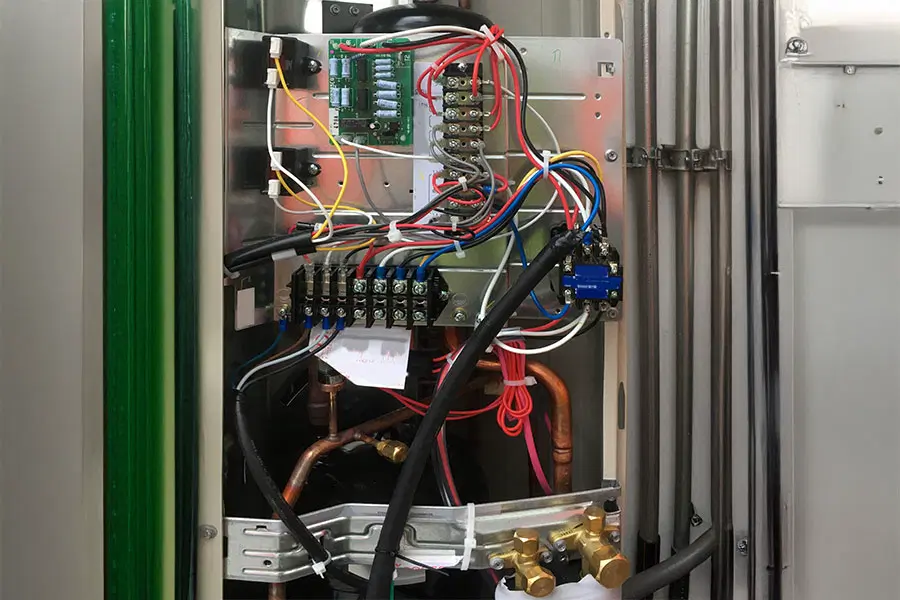
Chris reached out to us on a chilly afternoon in early December. His two-story home in one of Hurricane’s newer subdivisions kept getting warm air for a few minutes, then the burners would shut off while the fan kept blowing. The upstairs bedrooms were getting colder by the hour.
Our technician checked the control board code, which pointed to the high limit switch tripping from overheating. Walking through the house, he found that several supply vents had been closed in rooms the family rarely used, and the filter was overdue. With airflow choked off, heat was building up inside the furnace. He replaced the filter, opened the vents, tested the limit switch, and confirmed the system ran through full cycles without shutting down.
He also explained why closing vents can backfire on a modern furnace. Chris was glad it was a simple fix, and the upstairs was comfortable again before the kids got home from school.
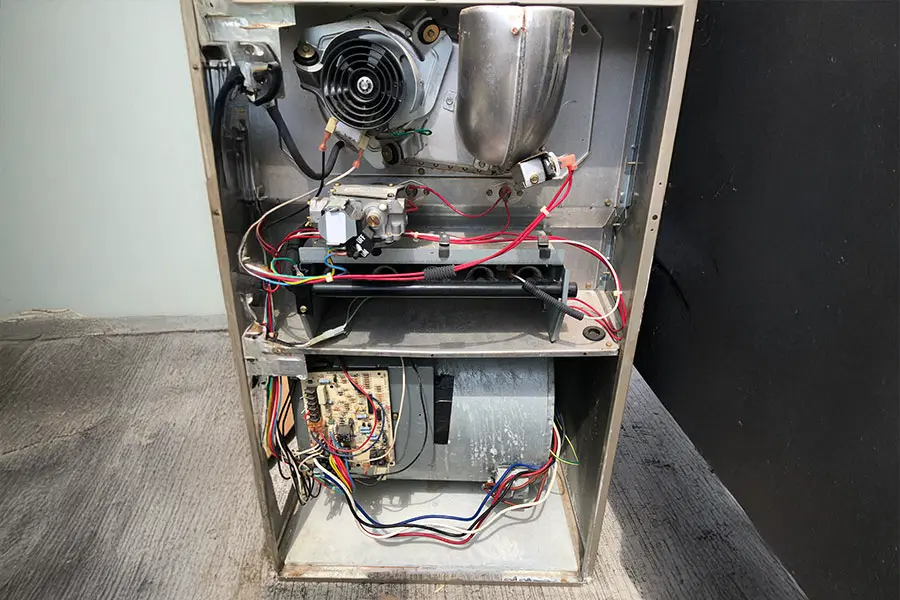
As Hurricane keeps growing, families need an HVAC company they can count on for the long haul. Here is why so many of them turn to us.
We also believe in supporting the communities we serve, which is why you will find our team involved in local outreach across the region. When your furnace gives you trouble, reach out and let us get your home back to comfortable.
Most modern furnaces use a blinking light to show a diagnostic code. The pattern points to issues like a pressure switch, flame sensor, or limit switch problem. Note the pattern and share it with our technician.
Long duct runs, closed vents, and a single downstairs thermostat often cause uneven temperatures in two-story homes. A technician can check airflow and suggest fixes like duct adjustments or a ductless unit upstairs.
Usually not. Closing too many vents restricts airflow, which can make the furnace overheat and shut down. It is better to keep vents open and address comfort issues another way.
Many furnaces last around 15 to 20 years with regular maintenance. Annual tune-ups help them reach the upper end of that range and run more efficiently along the way.
Yes. Power surges and flickers can damage control boards and other electronics in modern furnaces. If your heat does not return after a storm, have a technician check the system.