

Key Points:
- Knowing your filter type — disposable vs. reusable — is the first step before any cleaning
- Vacuuming before washing removes the bulk of dry debris and makes the process more effective
- Filters must be completely dry before reinstalling to prevent mold growth inside your ducts
- Quarterly filter maintenance is a baseline — twice-annual professional tune-ups do the heavy lifting
- Hurricane’s hot, humid summers accelerate filter buildup and make consistent upkeep especially important
Cleaner indoor air begins with a fresh, debris-free air filter. According to the U.S. Environmental Protection Agency, indoor air can be two to five times more polluted than outdoor air — and a clogged or neglected filter is one of the most common contributors. For homeowners in Hurricane, West Virginia, where summer humidity and pollen levels run high, staying on top of filter maintenance isn’t optional.
Forge Heating and Cooling provides dependable AC maintenance throughout the Huntington region, including filter cleaning and replacement during routine tune-ups. The steps below reflect what our technicians actually do in the field — so you understand what proper filter care looks like and when it’s time to call in a professional.
What Type of HVAC Filter Do You Use in Your Home?
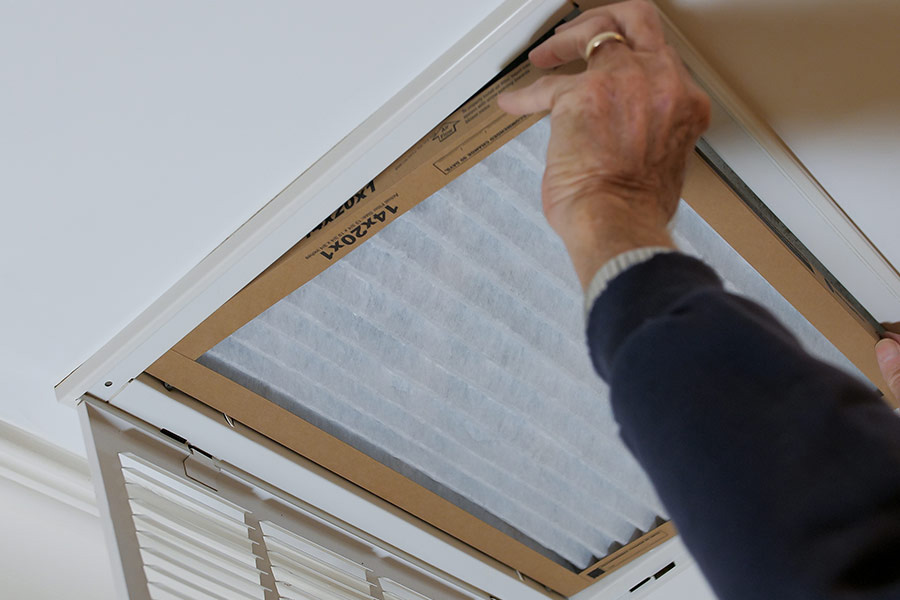
Before anything else, you need to identify whether your filter is disposable or reusable. Most Hurricane homeowners use disposable filters, which don’t require cleaning — they simply get swapped out for a fresh one on a regular schedule. Attempting to wash a disposable filter can damage the media and reduce its ability to capture airborne particles.
Reusable filters, on the other hand, are designed to be cleaned and reinstalled. You can identify yours by checking the product packaging or the label on the filter frame itself. Look for words like “washable” or “reusable.” If there’s no label, err on the side of replacement — a damaged or improperly cleaned filter puts unnecessary strain on your system and can lead to issues that require AC repair down the road.
How To Clean an AC Unit Air Filter the Right Way
The steps below apply specifically to reusable filters. If you’re unsure whether yours qualifies, contact your HVAC technician before proceeding. Ideally, keep a second clean filter on hand so your system isn’t running unprotected during the cleaning and drying process — which can take several hours.
Here’s what a proper cleaning involves:
- Turn off your HVAC system before removing the filter to prevent unfiltered air from circulating through the ductwork
- Vacuum the filter first using a hose attachment to pull out dry dust and debris before introducing any moisture
- Rinse with warm water, positioning the filter with the airflow side facing down so loosened dirt doesn’t get pushed deeper into the media
- Soak in a warm water and white vinegar solution for approximately one hour to break down buildup and neutralize odors
- Rinse thoroughly with clean water, then lay flat in a well-ventilated area or outdoors to dry completely before reinstalling
Drying the Filter Properly
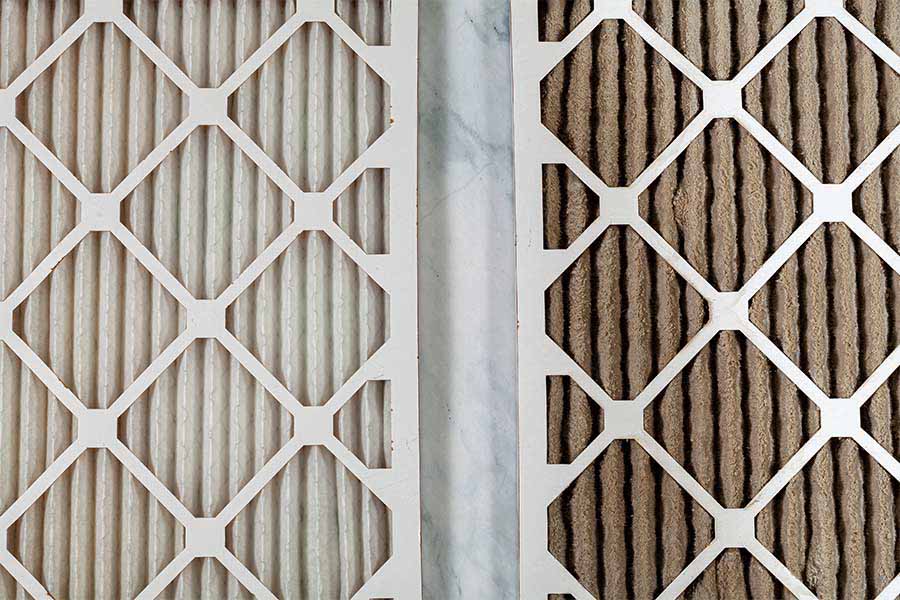
This step is where many homeowners cut corners — and it’s one of the most important parts of the process. Reinstalling a damp filter creates the ideal conditions for mold and mildew growth inside your ductwork, which can affect your indoor air quality far more than a dirty filter would.
In our service calls throughout Hurricane, we’ve seen the downstream effects of filters that weren’t dried completely before going back in. Lay the filter flat in direct sunlight or a well-ventilated space, flip it once the first side is fully dry, and don’t rush it. If temperatures are high and humidity is low — common on a clear summer day near the Teays Valley area — drying time is typically a few hours.
Don’t Overlook the Return Register Grate
While the filter is drying, take a few minutes to clean the return register grate. Dust and debris collect on the grate over time, restricting airflow even when the filter itself is clean. Wipe it down with a damp cloth, or wash it with mild dish soap and warm water if it feels sticky.
Make sure the grate is fully dry before reinstalling it alongside the filter. This small step contributes to better airflow efficiency and keeps your system from working harder than it needs to — which matters especially heading into peak cooling season in Hurricane.
Why Filter Cleaning Is Just the Starting Point
ENERGY STAR recommends checking your filter monthly and replacing or cleaning it at least every three months. That’s a reasonable baseline, but filter maintenance alone doesn’t substitute for a full system tune-up. Based on what we see in local homes, filters that get cleaned regularly still benefit from twice-annual professional service — particularly before the heavy cooling season hits.
A professional tune-up covers what filter cleaning can’t: refrigerant levels, coil condition, electrical connections, blower performance, and more. Staying current on furnace maintenance heading into winter follows the same logic — consistent upkeep prevents the kind of breakdowns that always seem to happen at the worst possible time.
Keeping Your AC Running Strong in Hurricane, WV
Clean filters are one piece of a well-maintained HVAC system. If your air conditioner isn’t performing the way it should — even after a fresh filter — it may be time for a professional inspection. Contact Forge Heating and Cooling today to schedule a tune-up and keep your system running efficiently all season long.
Frequently Asked Questions
How often should I clean or replace my AC filter?
Most filters should be checked monthly and cleaned or replaced every one to three months depending on usage, pets, and local air quality conditions.
Can I wash a disposable AC filter?
No. Disposable filters are not designed to be washed. Doing so can damage the filter media and reduce its effectiveness. Replace it with a new one instead.
How long does it take for a reusable filter to dry?
Drying time varies, but expect at least a few hours. Never reinstall a damp filter — moisture inside the ductwork can lead to mold growth.
What happens if I run my AC without a filter?
Running your system without a filter allows dust and debris to coat internal components, reducing efficiency and potentially causing damage that leads to costly repairs.