When your AC starts acting up in Barboursville, it can be frustrating. First, you need to check the thermostat settings to verify it’s set correctly. Then, take a look at the air filters and vents. These simple steps can often solve the issue. But what if the problem persists? There are more factors to take into account that could be affecting your system’s performance. Let’s explore those next.
Common AC Problems and Symptoms
When it comes to keeping your home comfortable, recognizing common AC problems can save you time and money.
One frequent issue is inadequate cooling; if your system’s running but the air’s still warm, you might have a clogged filter or refrigerant leak.
Another common symptom is unusual noises—if you hear banging, hissing, or rattling, it could indicate loose components or a failing motor.
Additionally, if your AC’s cycling on and off frequently, it might be struggling with an electrical issue or a malfunctioning thermostat.
You should also watch for water leaks around the unit; this might signal a drain line blockage or a refrigerant leak.
Finally, if your energy bills spike unexpectedly, your system might be working harder than it should due to inefficiencies. Regular AC maintenance can help maximize system efficiency and prevent these issues from becoming serious problems.
Addressing these issues early can prevent costly repairs and help maintain your comfort.
Checking the Thermostat Settings
Have you double-checked your thermostat settings? Often, simple errors here can cause major AC issues.
Start by confirming your thermostat is set to “cool” rather than “heat.” Check the temperature setting, too—if it’s higher than the current room temperature, your AC won’t kick in. If you’ve got a programmable thermostat, verify its schedule; sometimes, it might be set to turn off during certain hours.
Next, make certain the batteries are fresh; weak batteries can lead to inaccurate readings or intermittent issues. If your thermostat has a display, confirm it’s functioning properly. A blank screen could mean it needs replacing or reprogramming.
Finally, consider whether the thermostat is located in a drafty area, near heat sources, or in direct sunlight, as this could affect its performance. If your troubleshooting efforts don’t resolve the issue, it may be time to contact professionals for high-quality AC installation to ensure optimal performance.
Taking these steps can often resolve your AC problems before delving deeper into issues.
Inspecting Air Filters and Vents
After checking your thermostat settings, the next step is to inspect your air filters and vents. Clogged or dirty air filters can greatly reduce your AC’s efficiency and airflow.
Start by locating your filters—usually found in the return air ducts or the indoor unit. Remove them and check for dirt or blockages. If they’re dirty, replace them with new ones.
Next, examine your vents. Make sure they’re open and unobstructed by furniture, curtains, or other objects. Blocked vents can lead to uneven cooling and strain your system.
If you notice any unusual noises or poor airflow after this inspection, it may indicate a deeper issue that needs professional attention. Regularly scheduled HVAC maintenance can help prevent such issues from arising.
Regularly inspecting and changing your air filters can help maintain ideal performance and prolong your AC’s lifespan. Staying proactive guarantees your home remains comfortable, especially during those hot summer months.
Evaluating the Outdoor Unit
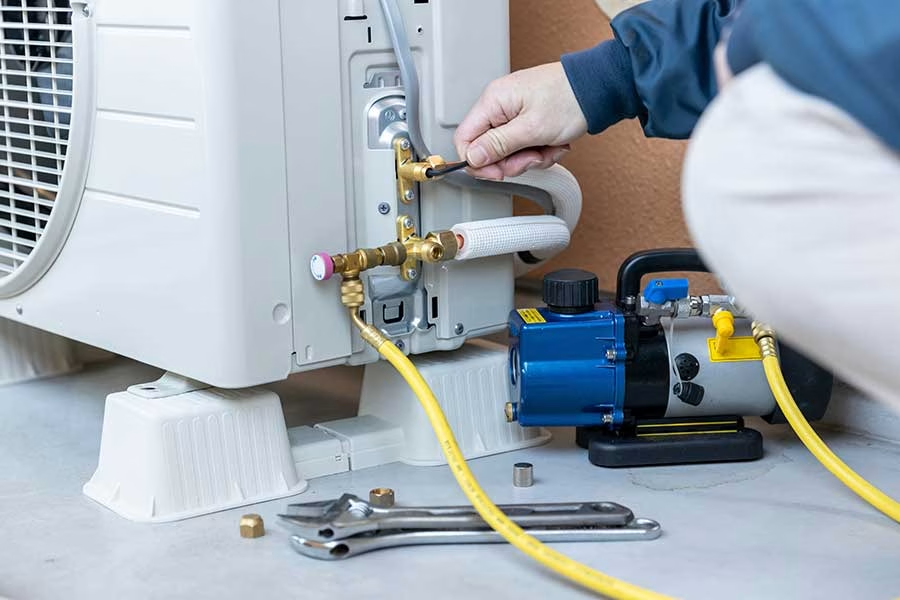
It’s important to evaluate your outdoor AC unit to guarantee it’s functioning properly. Start by checking for any debris, like leaves or dirt, that might obstruct airflow. Clear away any obstacles around the unit to assure it has enough space to operate efficiently.
Next, inspect the condenser coils. If they’re dirty, gently clean them with a soft brush or a hose, but be careful not to bend the fins.
Listen for unusual noises, like rattling or hissing, which could indicate a problem. Make sure the fan is spinning freely, and check the power supply to verify everything’s connected.
If you notice any refrigerant leaks or if the unit isn’t cooling effectively, it’s time to look deeper into potential issues. Regularly evaluating your outdoor unit can help maintain its efficiency and extend its lifespan, keeping your home comfortable. Additionally, regular furnace maintenance is crucial for extending furnace lifespan and avoiding major repairs.
When to Call a Professional
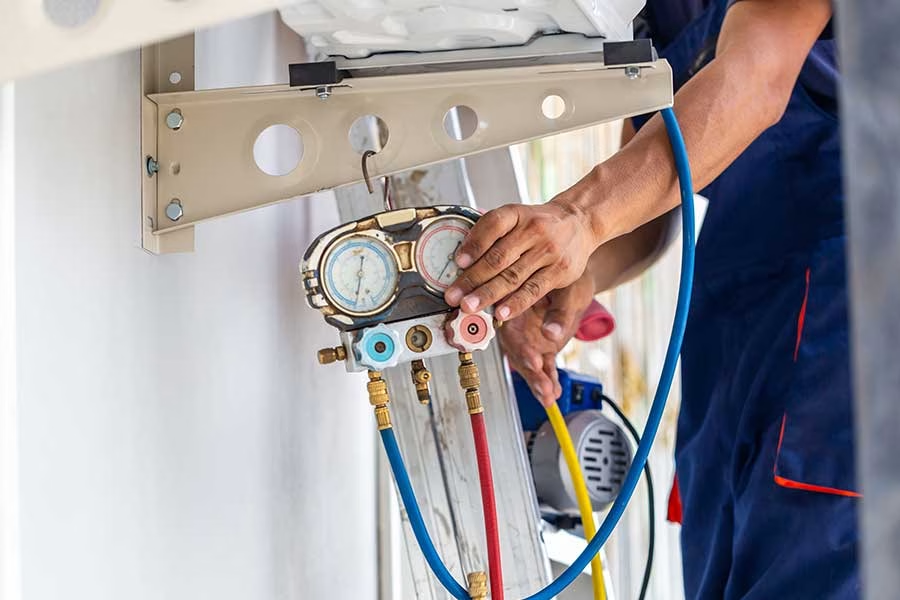
If your troubleshooting efforts haven’t resolved the AC issues, it’s time to call a professional. When you notice persistent problems like unusual noises, inconsistent temperatures, or a complete system failure, don’t hesitate to reach out for expert help.
Ignoring these signs can lead to more significant damage and costly repairs down the line.
Additionally, if you’re unsure about the source of the problem or feel uncomfortable performing further inspections, a trained technician can pinpoint the issue safely and efficiently.
Professionals have the tools and knowledge to handle complex AC systems, ensuring your home remains comfortable.
Finally, for emergency situations, Forge Heating and Cooling offers 24/7 service to address your needs promptly.
Trusting a professional not only gives you peace of mind but also guarantees that the job is done right, allowing you to enjoy reliable cooling without the stress.
Conclusion
So, you’ve checked the thermostat, cleaned the filters, and cleared the outdoor unit—great job! It’s almost like you’re a certified AC technician now. But if your system still isn’t cooperating, don’t worry; calling in a professional is just a phone call away. After all, who wouldn’t want to pay someone to fix what they already tried to fix themselves? Embrace the irony and let the experts handle what your DIY spirit couldn’t conquer!